White Lava Taro
An ornamental taro prized for its striking dark leaves with contrasting white veins, grown for dramatic foliage and an edible starchy corm.
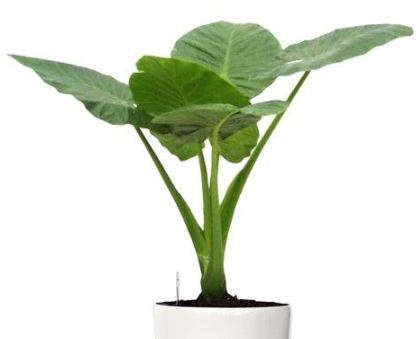
Habit
Perennial herb
Height
0.9-1.2m
Growth
Fast
Soil
Moist, Rich
Shade
Partial Shade
Moisture
High
Edible
Corm is Edible
Medicinal
No
Origin
Horticultural Hybrid
Climatic Condition
Tropical/Subtropical
Temperature (°)
18–28
Humidity (%)
High
Potting media
Loamy Soil
Fertilizers
Balanced NPK
Watering
Keep soil wet
Plant Weight
2-5 kg
Flowering Time
Summer
Soil Ph level
5.5–6.5
Water Ph level
6.0–7.0
Soil EC
1.2-1.8
Yield Per Plant
1-2 kg
NPK ratio
15:15:15
life Span
Perennial
Health Benefits
Ornamental; edible corm provides carbohydrates.
Suggested Grow Media or Potting Mix ?
50% loamy soil, 30% compost, 20% sand/peat for moisture.
Suggested Fertigation/Fertilizers
Monthly with balanced liquid fertilizer (e.g., 20-20-20) during growth.
Fertilize every 3 weeksCommon Diseases and Remedies
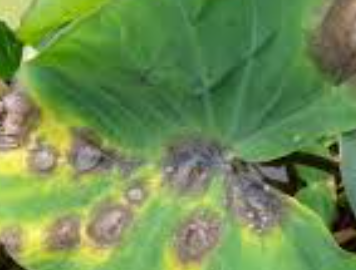
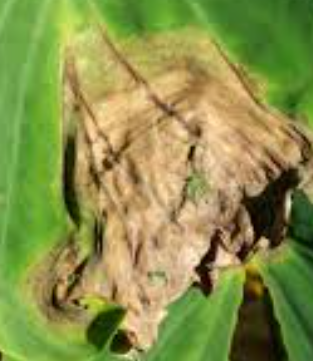
root and corm rot, leaf blight, leaf spot, anthracnose, bacterial soft rot, aphids, spider mites and caterpillars
yellowing or drooping leaves, soft or foul-smelling corms, water-soaked or brown leaf lesions, leaf edge burn, leaf collapse, chewed foliage, sticky honeydew and fine webbing
ensure well-drained soil or clean water conditions, avoid waterlogging, remove and destroy infected leaves or corms, improve air circulation, apply neem oil or insecticidal soap, use diluted hydrogen-peroxide drench for early rot