Maranta zebrina
Prayer plant with striking patterned leaves
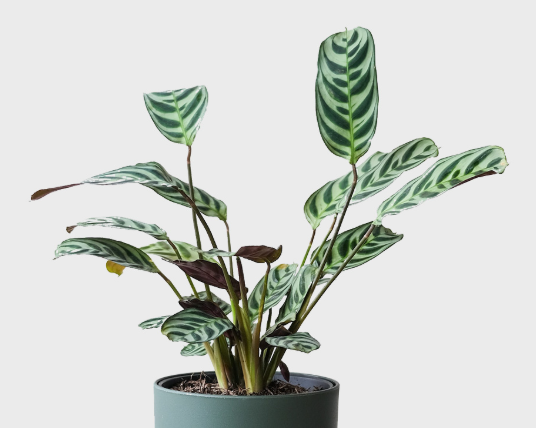
Habit
Perennial herb
Height
0.3–0.5 m
Growth
Moderate
Soil
Loose rich
Shade
Shade
Moisture
High
Edible
No
Medicinal
Yes
Origin
Brazil
Climatic Condition
Tropical
Temperature (°)
18–30
Humidity (%)
70–90
Potting media
Peat+Perlite
Fertilizers
Balanced NPK
Watering
Frequent
Plant Weight
2–3 kg
Flowering Time
Rare
Soil Ph level
5.5–6.5
Water Ph level
6.0–6.8
Soil EC
Low
Yield Per Plant
Foliage
NPK ratio
10:10:10
life Span
5–7 yrs
Health Benefits
Stress reduction
Suggested Grow Media or Potting Mix ?
60% peat, 20% perlite, 20% compost
Suggested Fertigation/Fertilizers
Every 2 weeks
Fertilize every 3 weeksCommon Diseases and Remedies
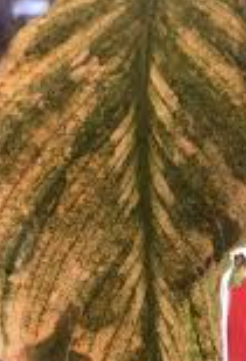
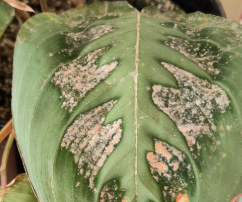
root rot, leaf spot, anthracnose, bacterial leaf blight, powdery mildew, mealybugs, spider mites and aphids
yellowing or drooping leaves, leaf curl, soft or blackened roots, brown or water-soaked leaf spots, white powdery coating, leaf edge burn, sticky honeydew and fine webbing
use well-drained but consistently moist soil, avoid waterlogging, remove infected leaves, maintain high humidity with good air circulation, wipe foliage regularly, apply neem oil or insecticidal soap, use diluted hydrogen-peroxide drench for early root issues